







Where the groundwork begins
Made in Mexico
400 hands shape each pair before they’re complete
The Groundwork
How do we make better shoes for those who step foot in the kitchen?
In 2019, we became obsessed with a simple question: How do we make better shoes for those who step foot in the kitchen? We went to the drawing board. We iterated, tore apart, sketched, tested, and re-designed. Our research led to conversations and connections with talented people in restaurants, cafes, and bars across the world.
Over the last six years, our team has continued asking this question - not only to revolutionize kitchen shoes, but to elevate an industry that literally fuels our communities.
In 2026, we moved our production to León, Mexico—the shoe capital of the world, known for its generational mastery of leatherwork and shoemaking.
We invited photographer, Thomas Teal, to join us on a visit to our factory to help us capture the passion, care, and artisanal craftsmanship that goes into every pair of shoes.
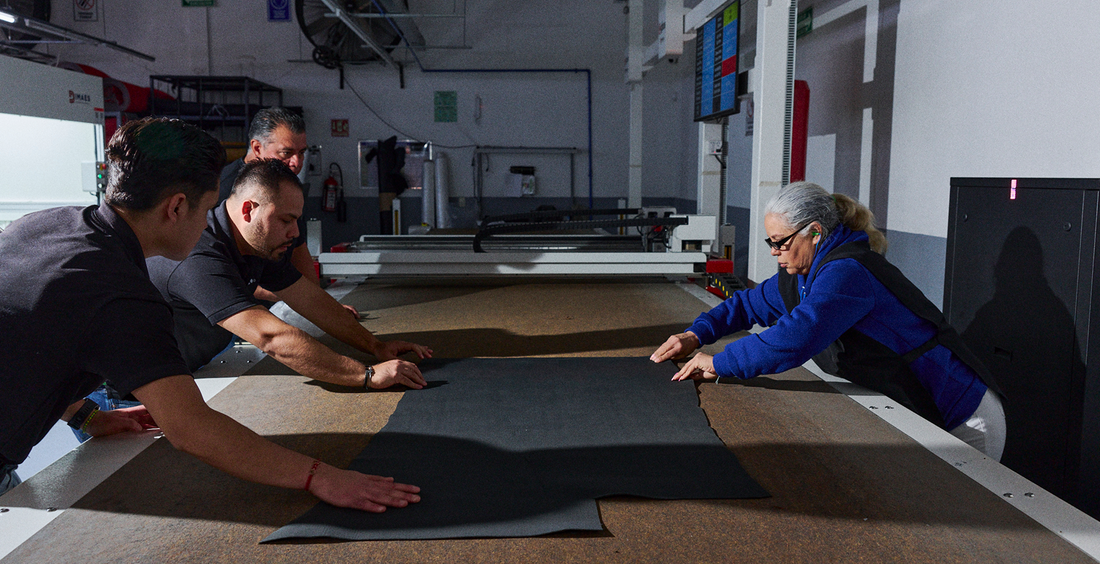
Four Generations of Craft
“It’s something you feel when you walk the floor”
— Founder, Erik Hernandez
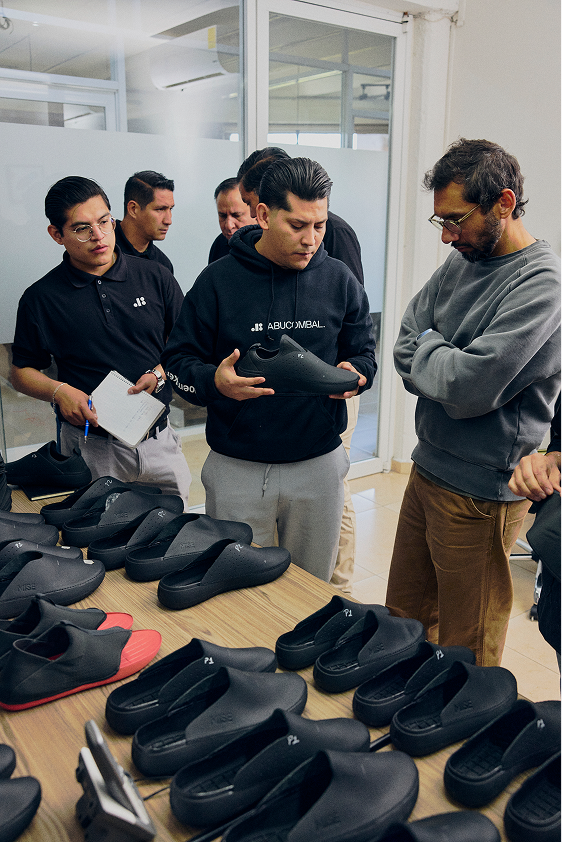
When we visited Abucombal for the first time, we weren’t just evaluating a factory, we were evaluating whether the people inside think about shoemaking the way we do. The answer was yes.
They’ve been doing this for generations. That kind of institutional knowledge isn’t something you find on a spec sheet. It’s something you feel when you walk the floor.
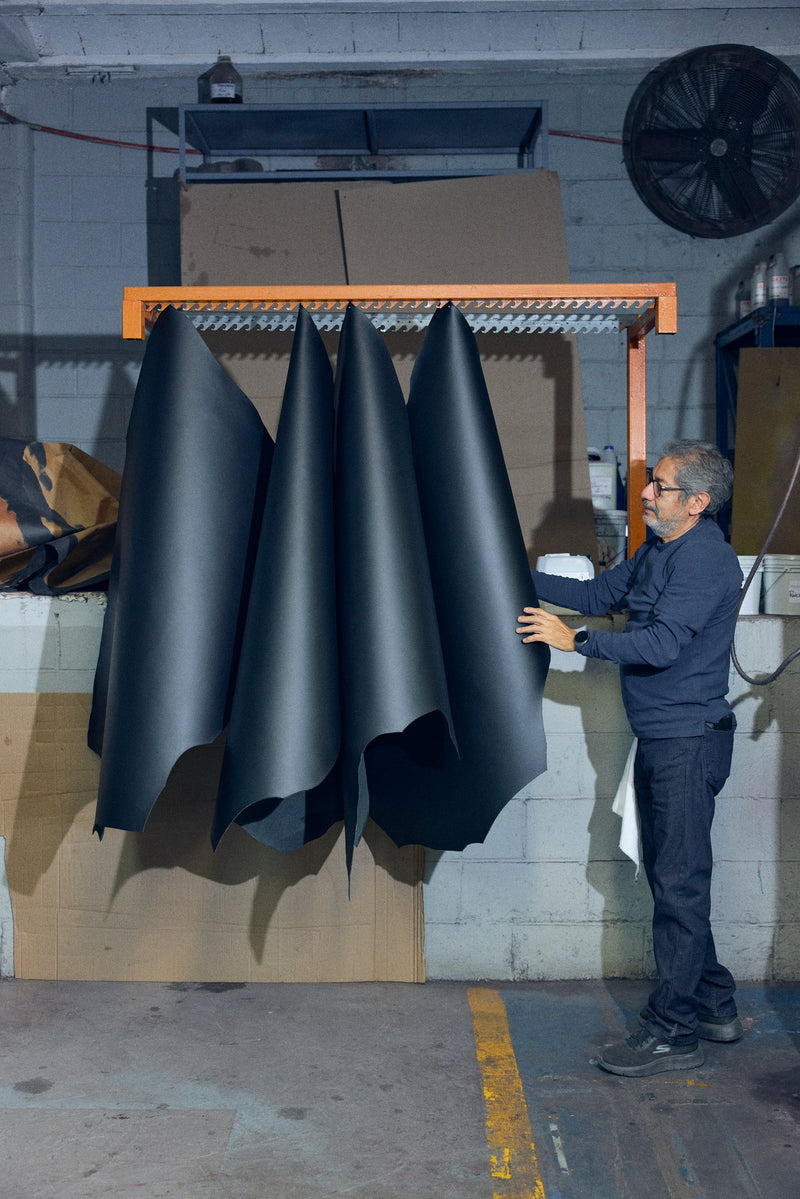
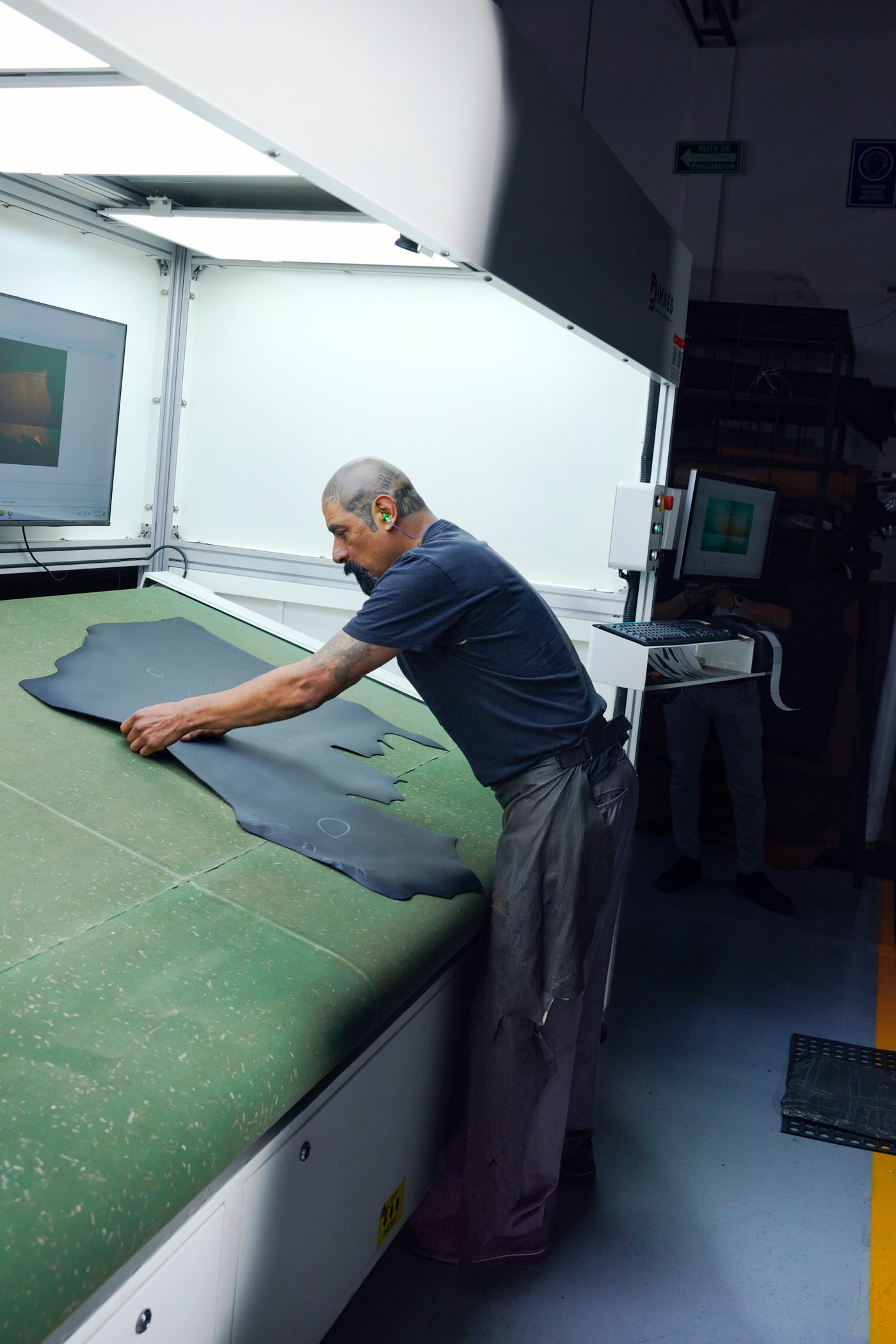
Sorted, laser cut, inspected by hand
The material starts learning the job long before the first cut
Partnering with Wyny Group was one of the most important material decisions we made. Vegetable tanning is slower and more demanding than modern methods, but the leather it produces holds its structure and develops character the longer it's worn. For shoes designed to perform through the demands of daily kitchen work, that level of craft in the material isn't a detail. It's where everything starts.
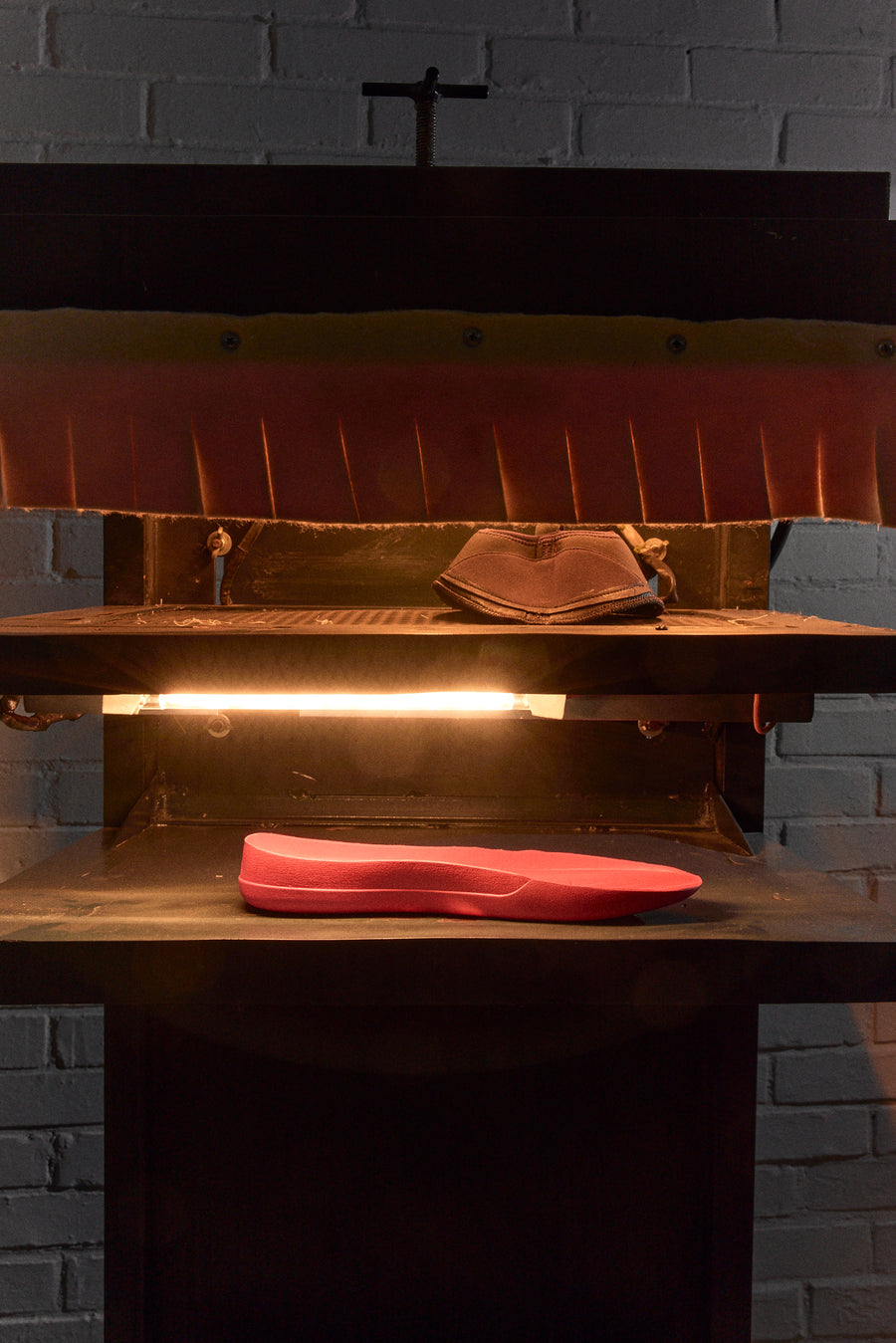
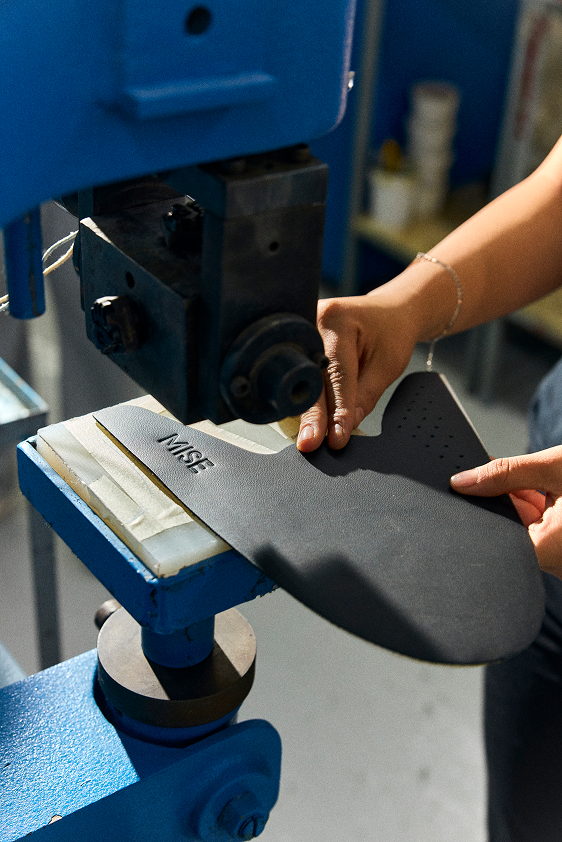
Each hide carries its own grain, weight, and vibe. Once prepared, hides are moved to the digital cutting table where patterns are mapped with precision, and experienced hands decide where each piece belongs. Placement matters. Density matters. Grain matters. Every decision shapes how the shoe moves, flexes, and holds up later on.
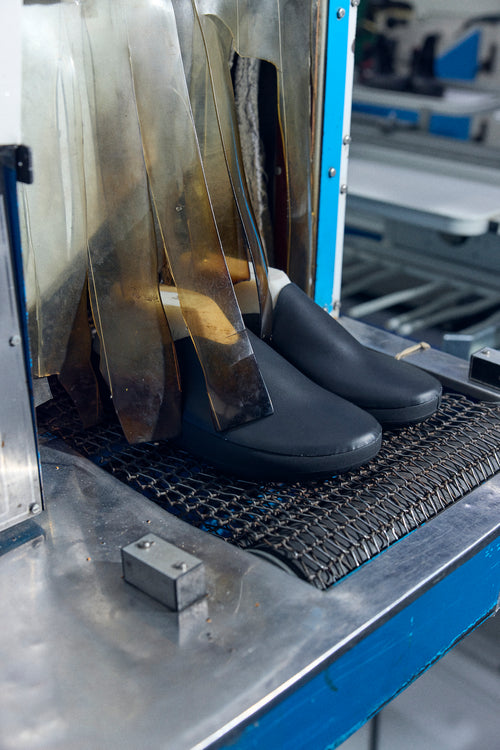
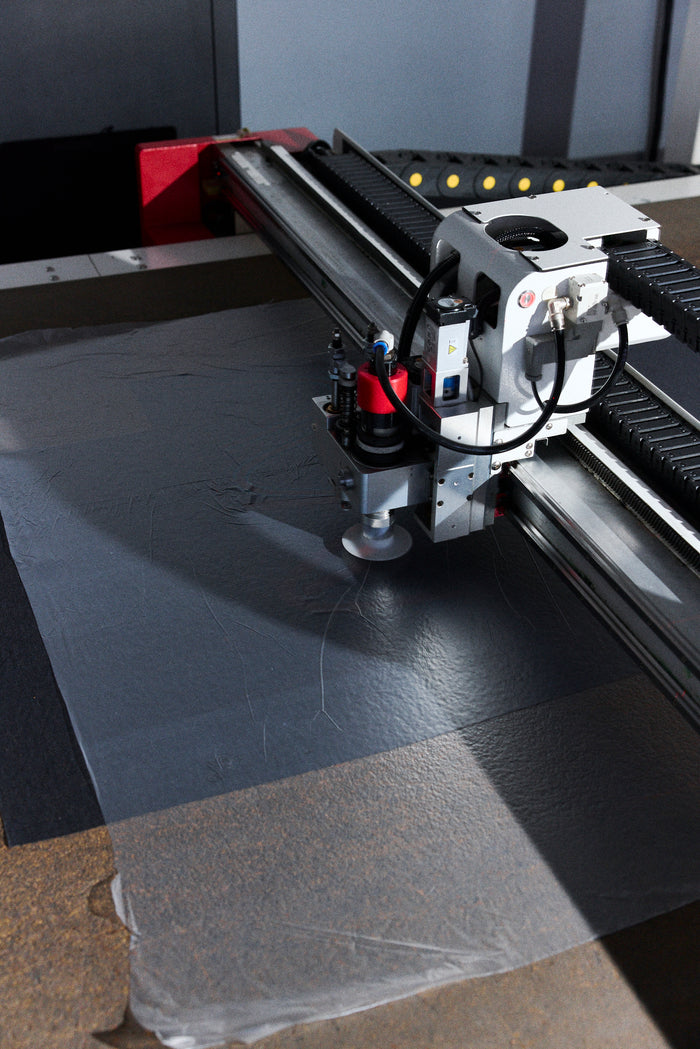
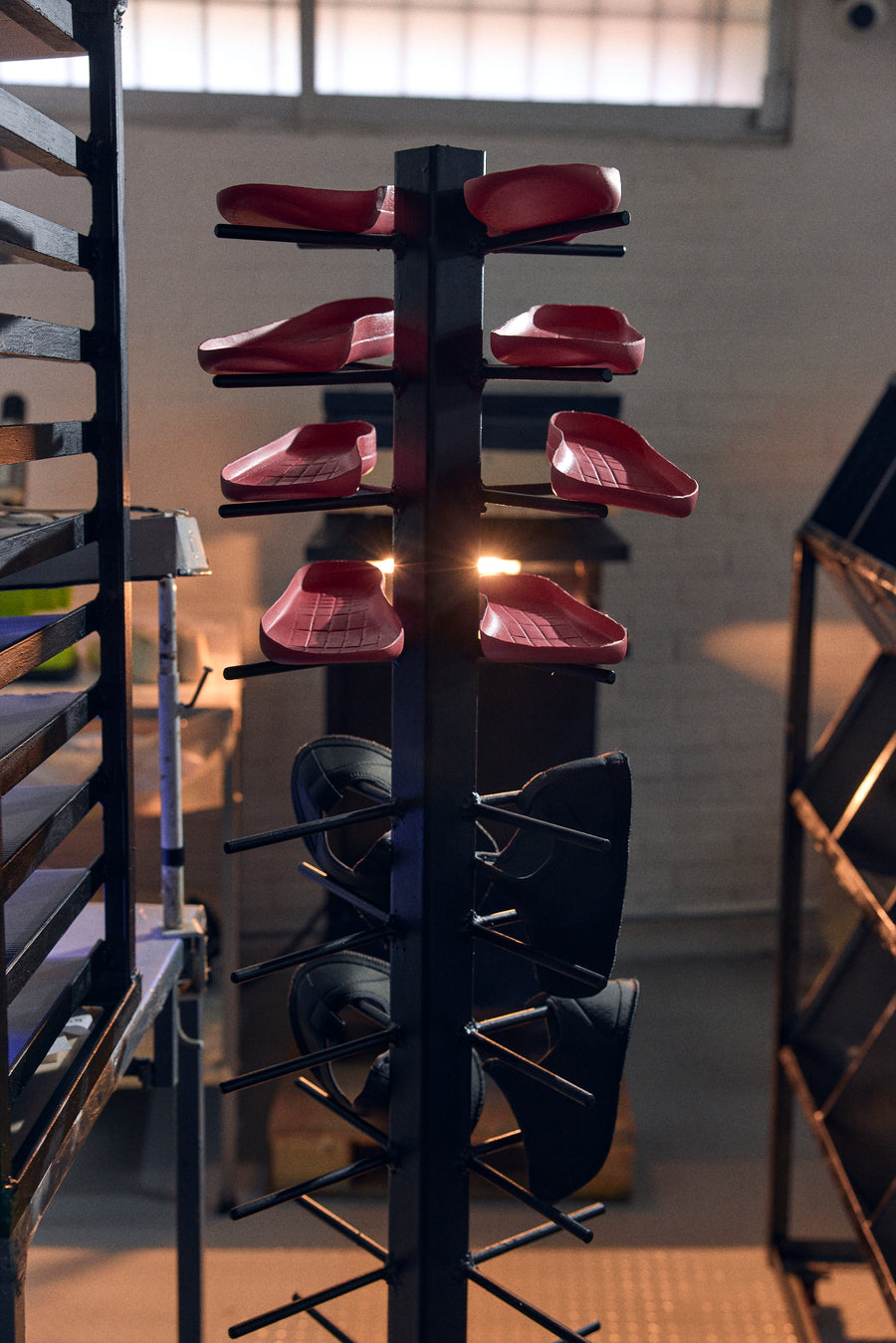
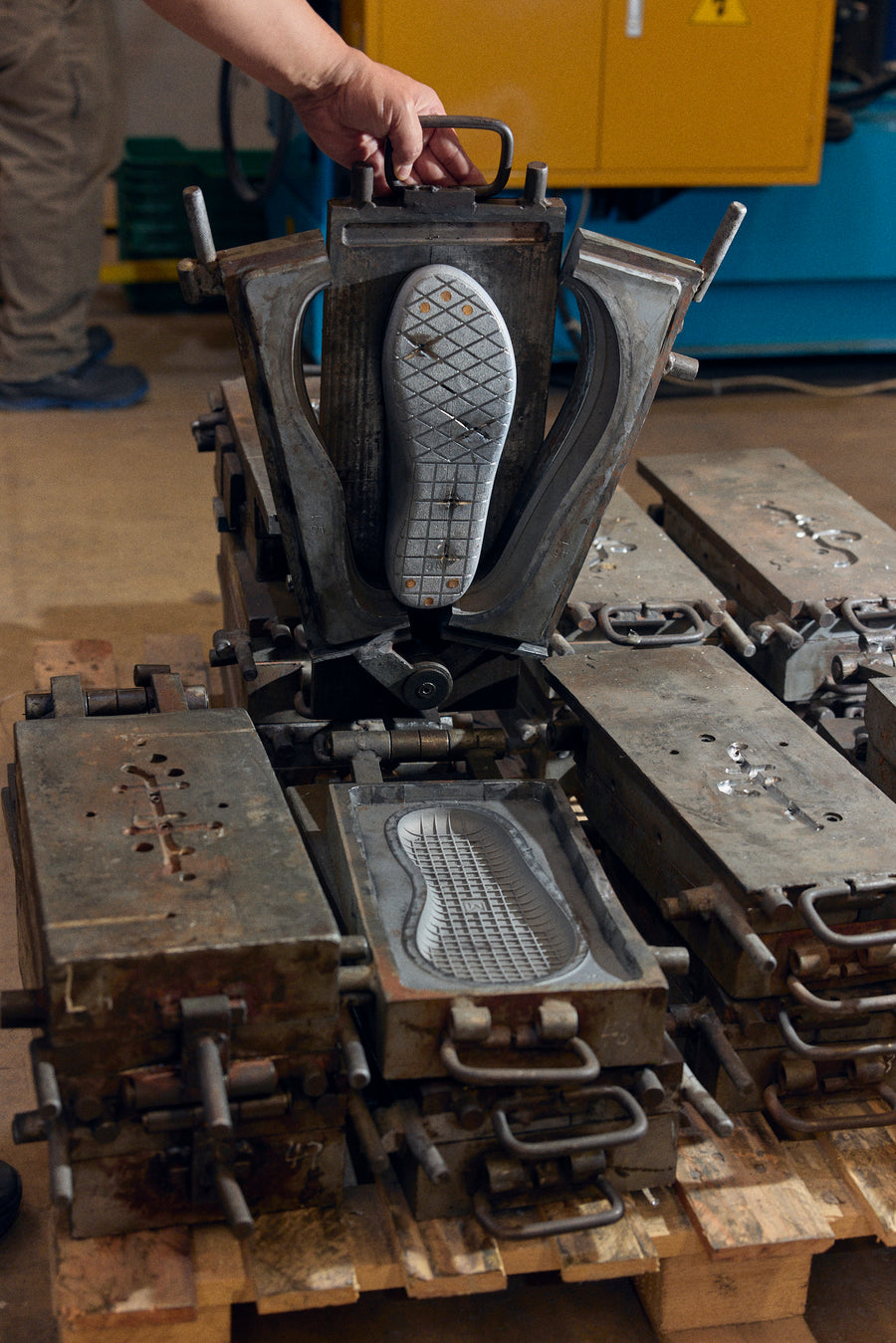
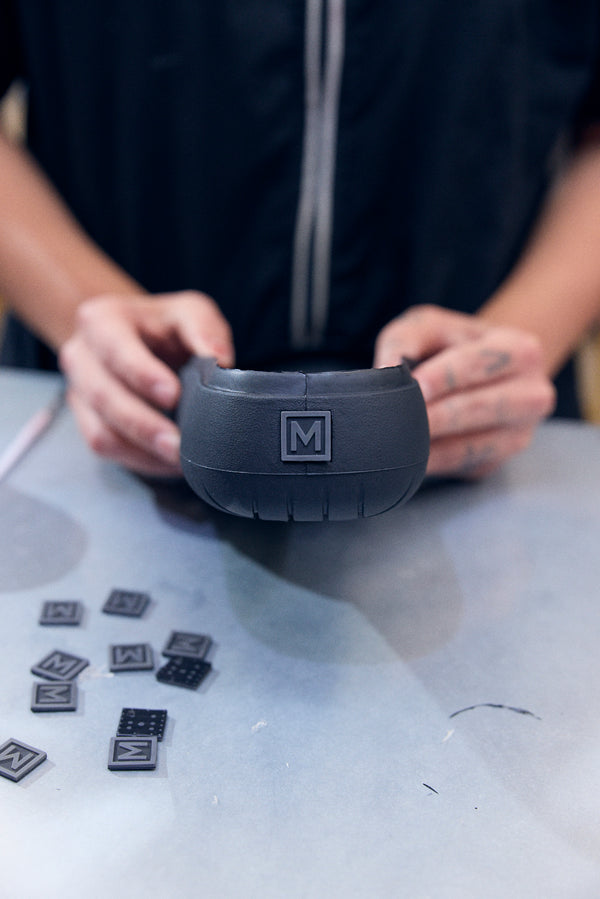
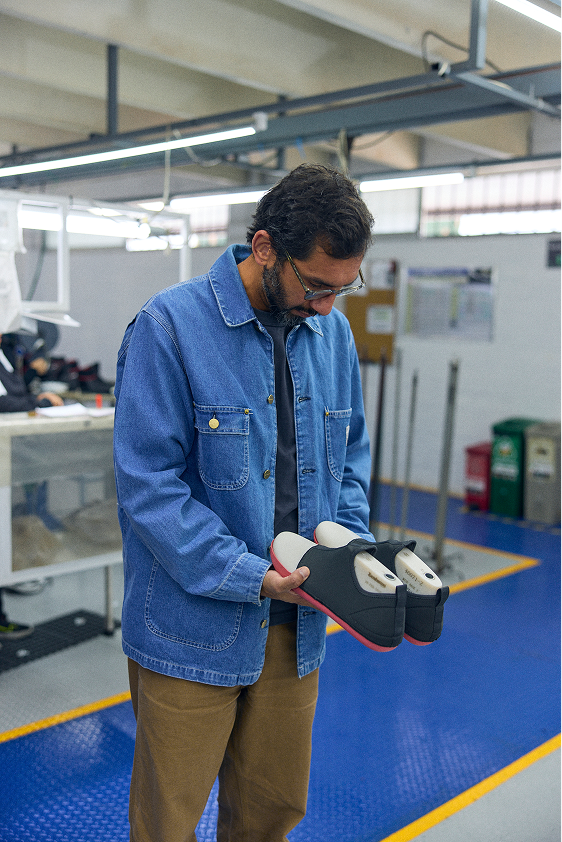
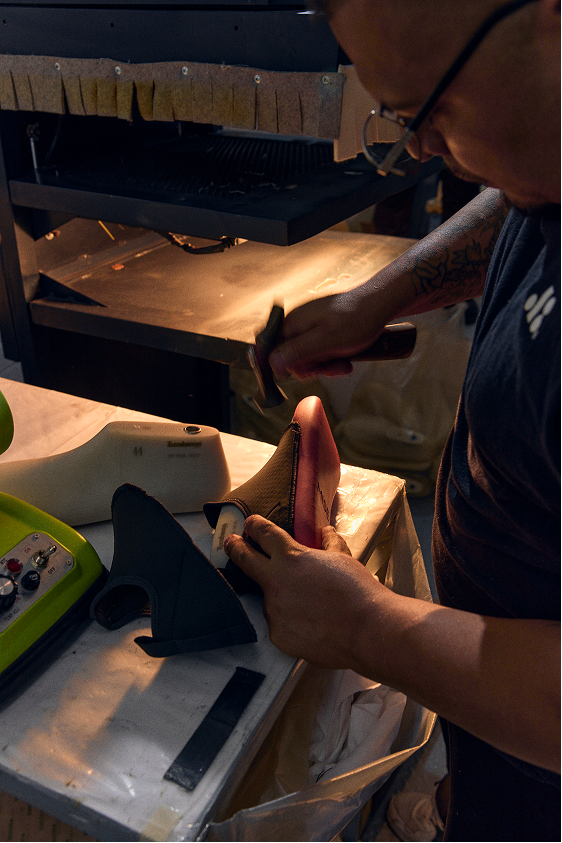
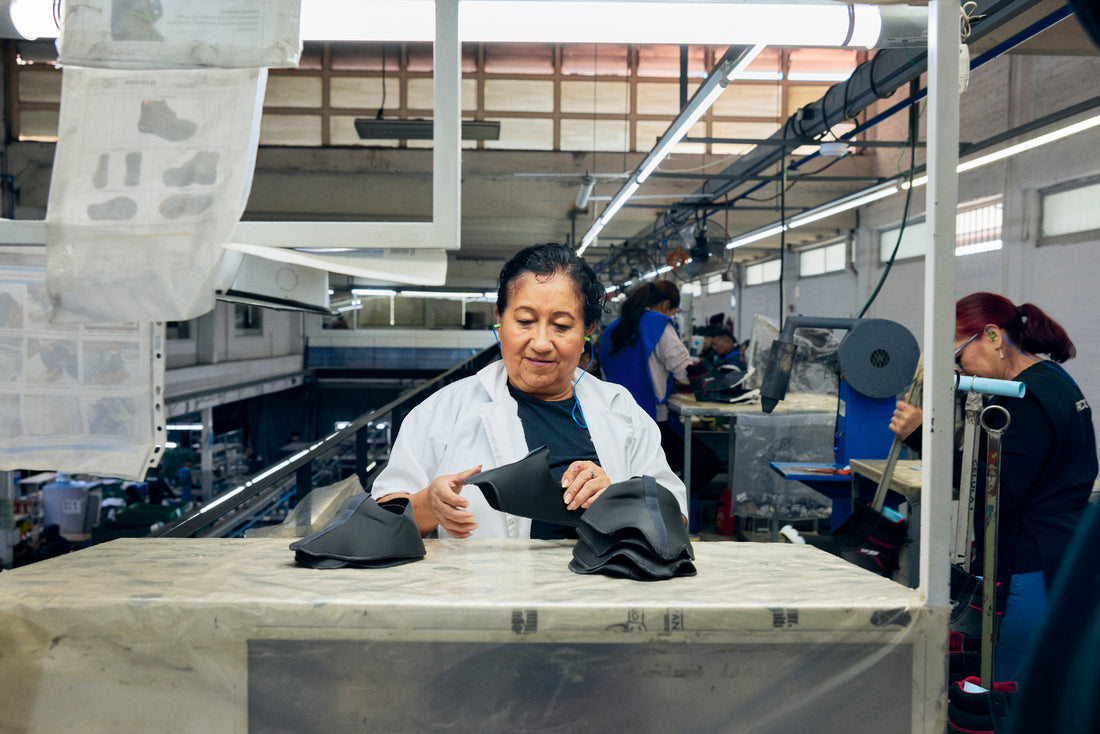
“Every one of the 11 parts of our shoe is considered and necessary”
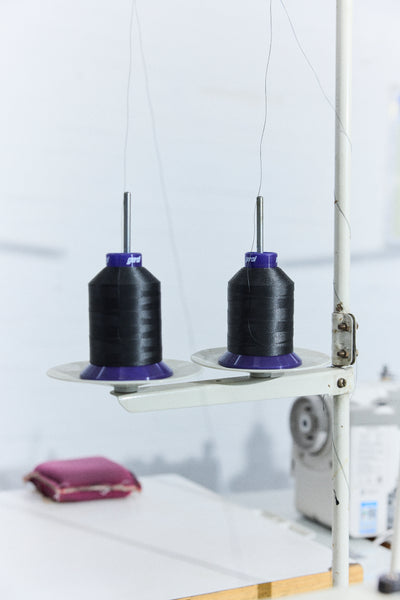
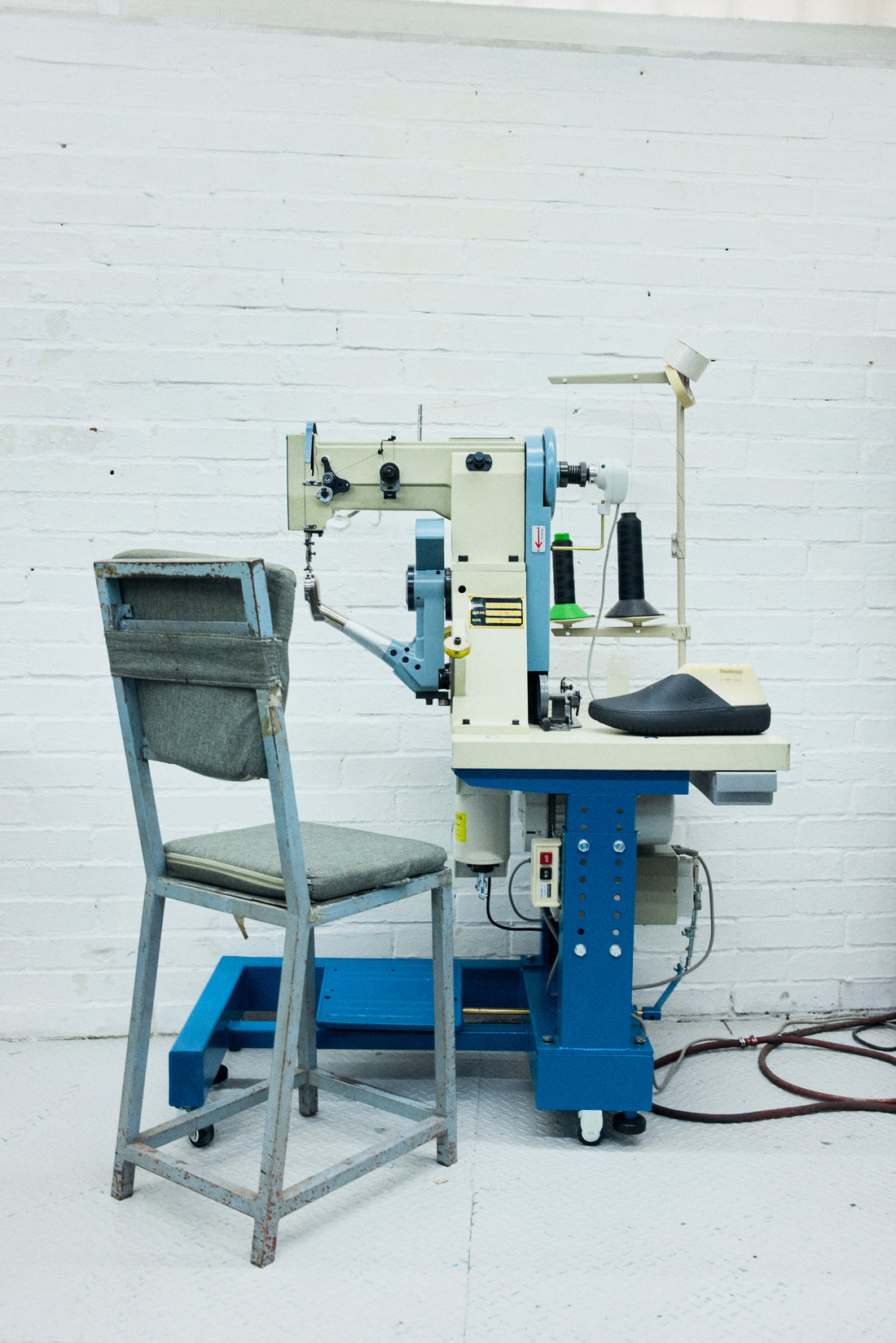
"We worked with Coats to bring the technical depth to solve this problem. They’ve spent more than 250 years refining industrial thread systems used across footwear, apparel, and performance products worldwide.
We didn’t need just stronger thread, but a system designed to handle constant flexing without becoming restrictive. That's a harder problem than it sounds.”
— Founder, Erik Hernandez
Sewing & Thread
Reinforced stitching system
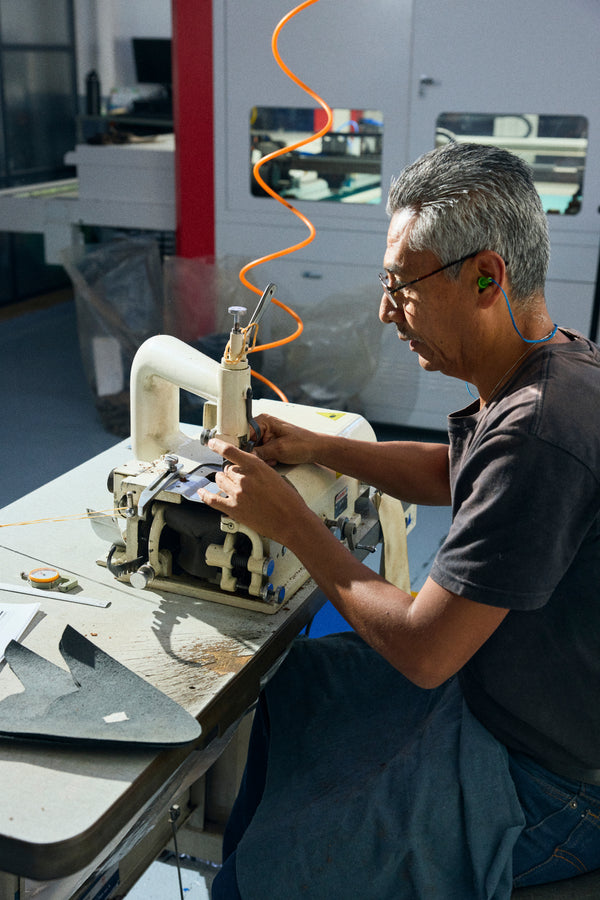
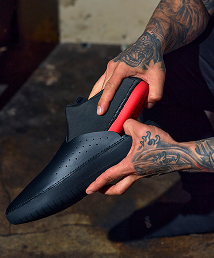
We knew from real world feedback exactly where the original Standard and Relaxed were being tested hardest. Every movement and long hour puts pressure on the same flex points, which meant we had to figure out a way to strengthen the connection between the upper and sole without restricting movement.
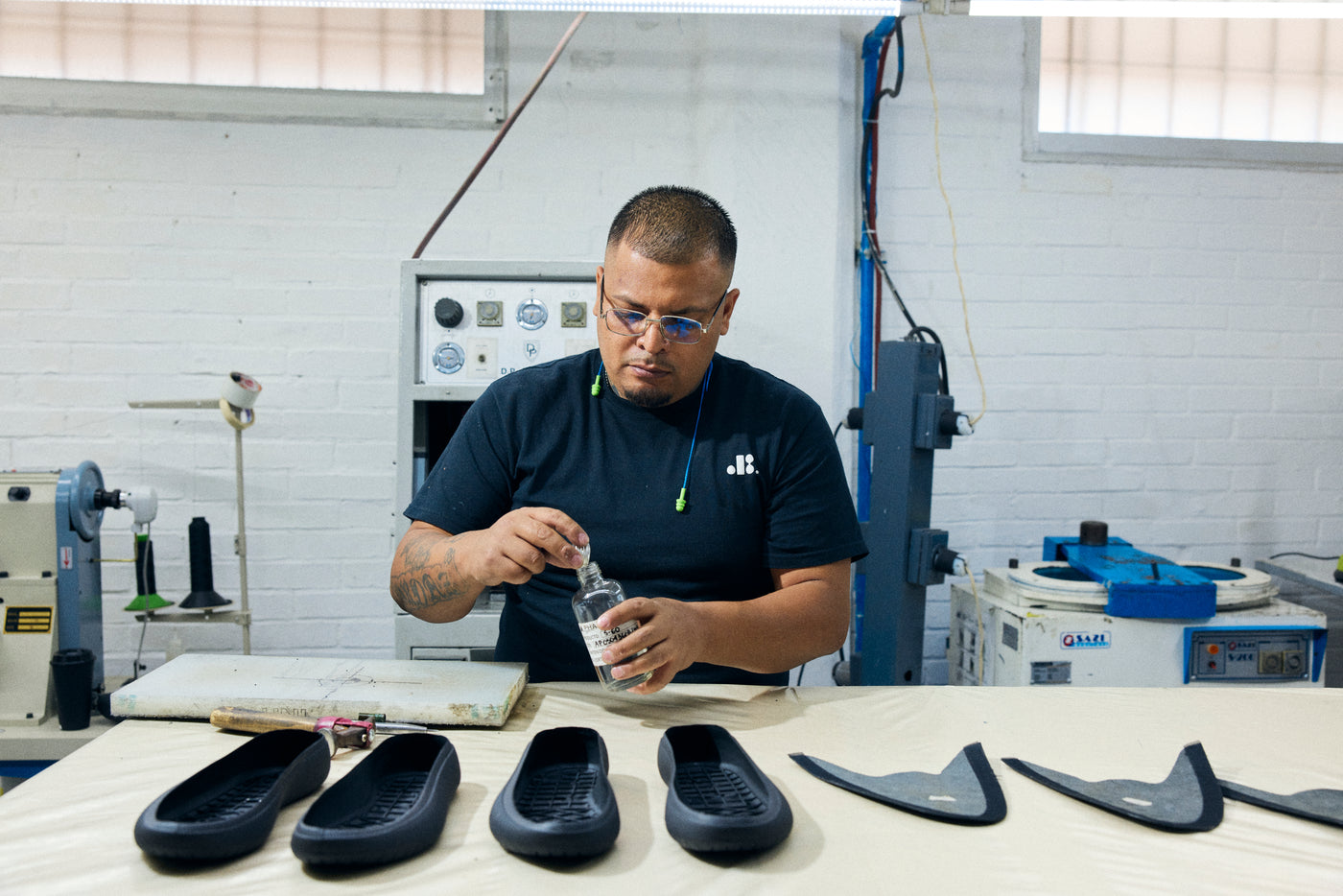
The parts come together
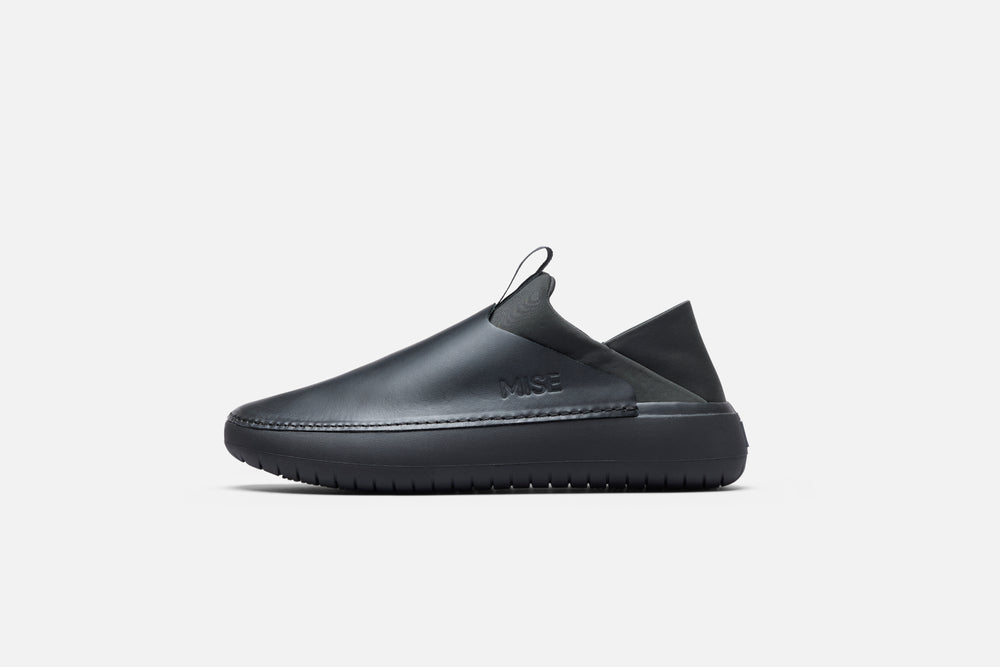
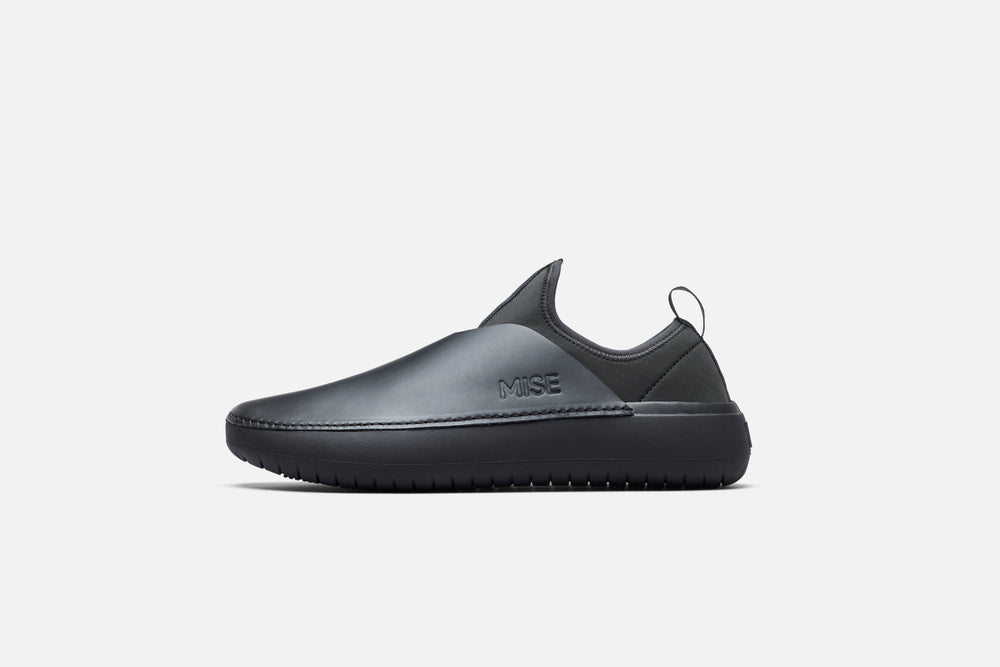
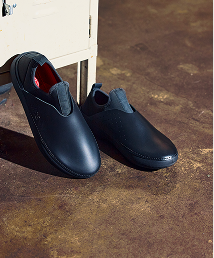
The inspiration behind the next generation
Over time, the work shows where footwear succeeds, and where improvement is needed. That understanding shaped where we are today.
In León, materials, makers, and process exist within reach of one another. Refinement happens in real time. The feedback loop gets tighter. Not for the sake of innovation alone, but to build better tools for Culinary Athletes™ who rely on them every day.
The decisions made inside a factory in León shows up later. In the back of house. During a shift that was supposed to end two hours ago. This is the Groundwork. The part most people never see, but feel every time the shift runs long.